
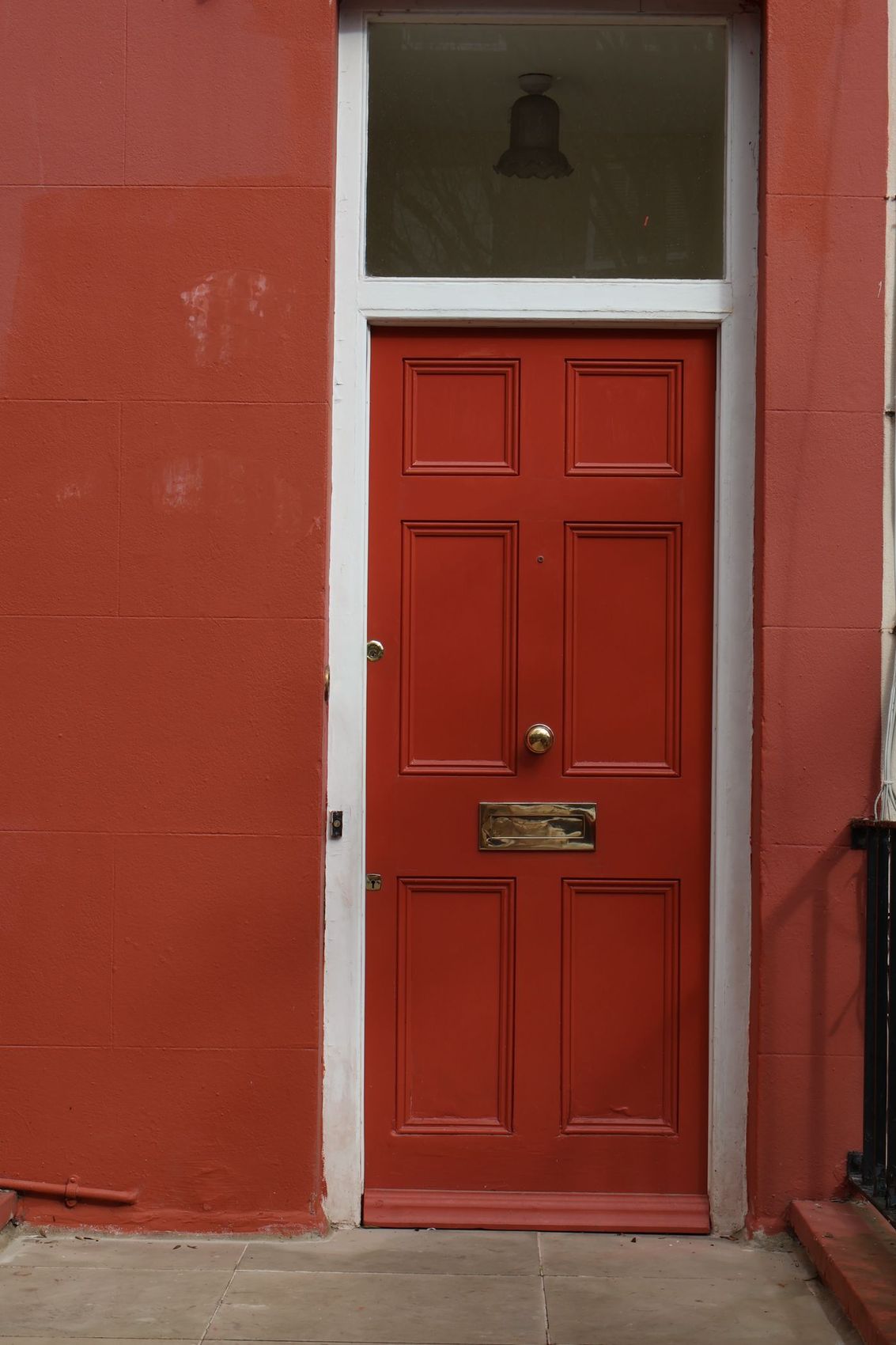
Composite entrance
48mm slab with a solid timber core and a moulded GRP skin that never needs painting. Heavier than uPVC, holds its shape in sun, and takes a knock without denting.

Bartle House
9 Oxford Court
Manchester M2 3WQ
Mon–Fri 7.30am–5.30pm
Saturday 9am–1pm
03What we fit
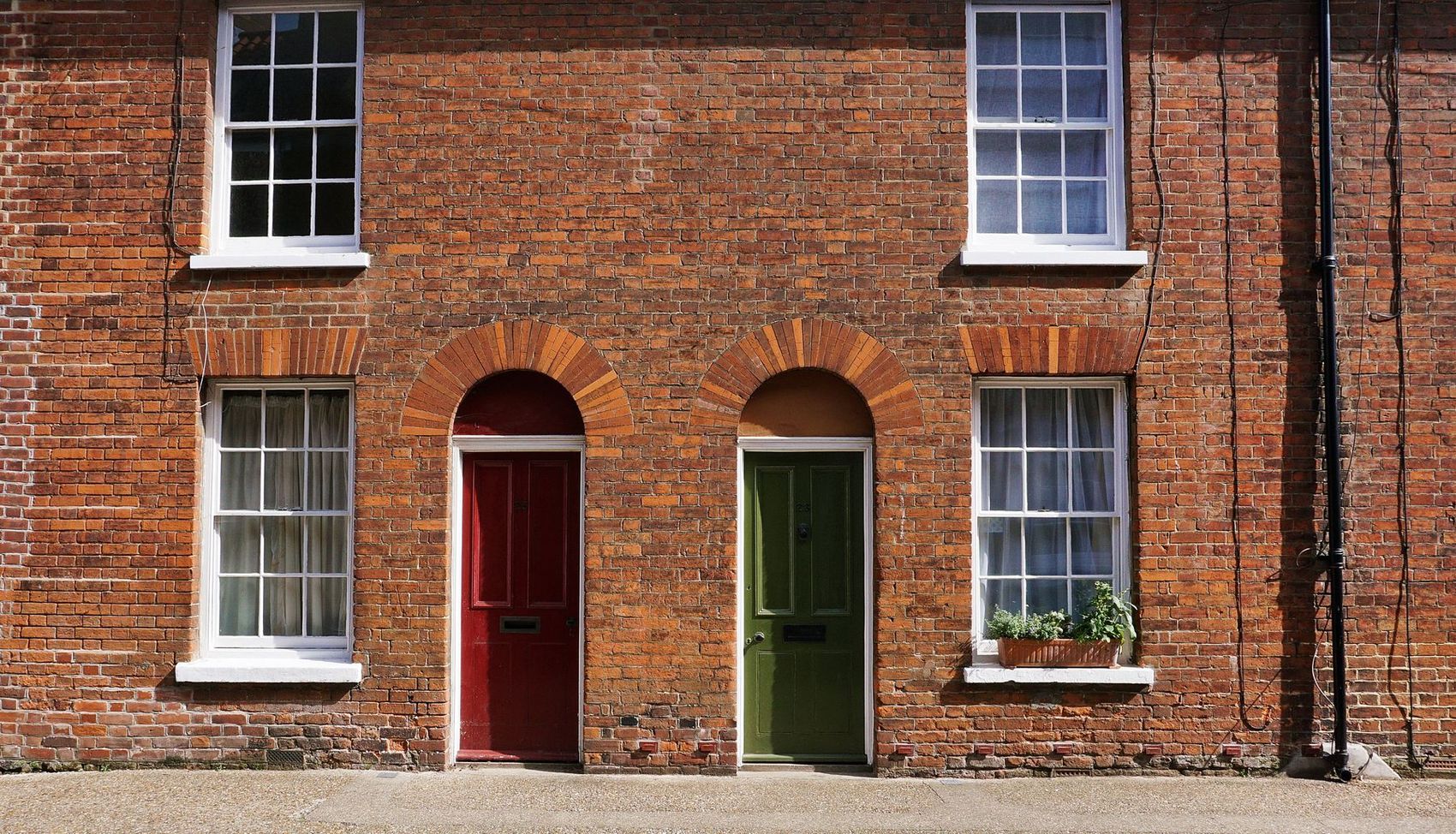
A front door is a security component that happens to be decorative. We name the cylinder, the lock and the hinges on the quote, because that is what decides whether it holds.
48mm slab with a solid timber core and a moulded GRP skin that never needs painting. Heavier than uPVC, holds its shape in sun, and takes a knock without denting.
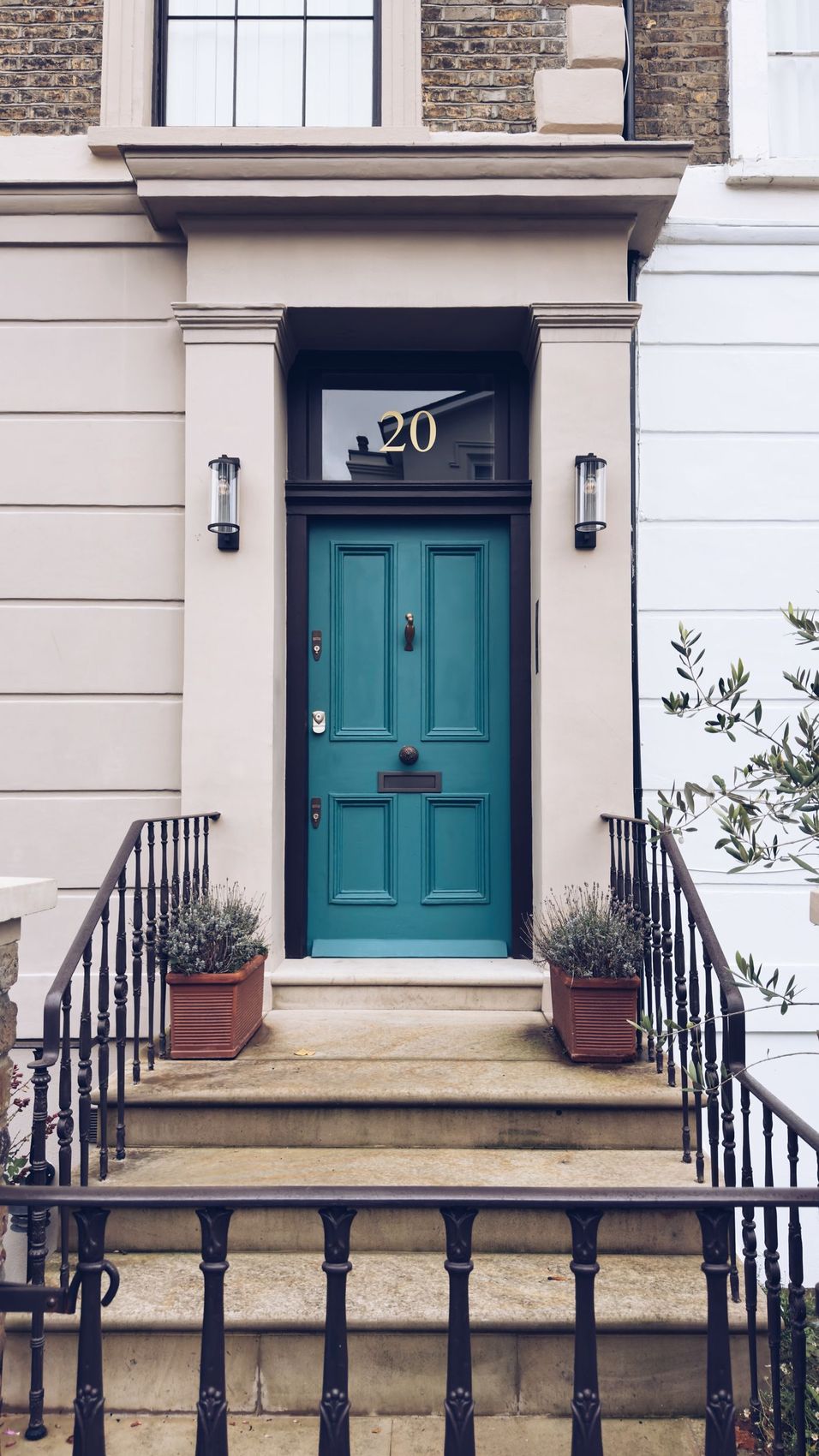
The sensible choice for back doors, side entrances and utility rooms — with exactly the same lock and cylinder specification as the front. Burglars are not fussy about which door they use.
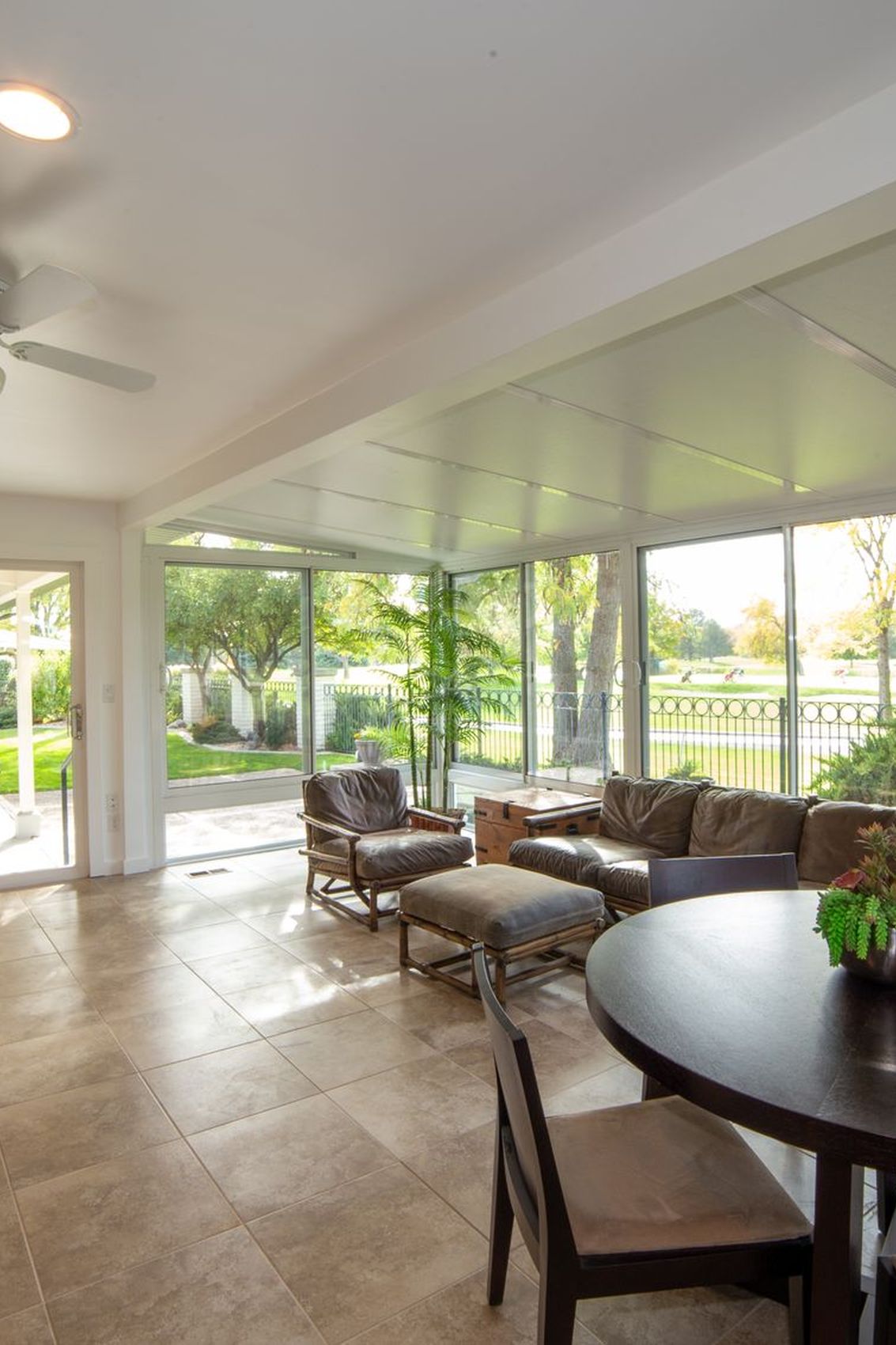
Two to six leaves folding back to one or both sides. Aluminium only — the spans and weight rule out uPVC. Needs a level, load-bearing threshold, which is the part that catches people out on a retrofit.
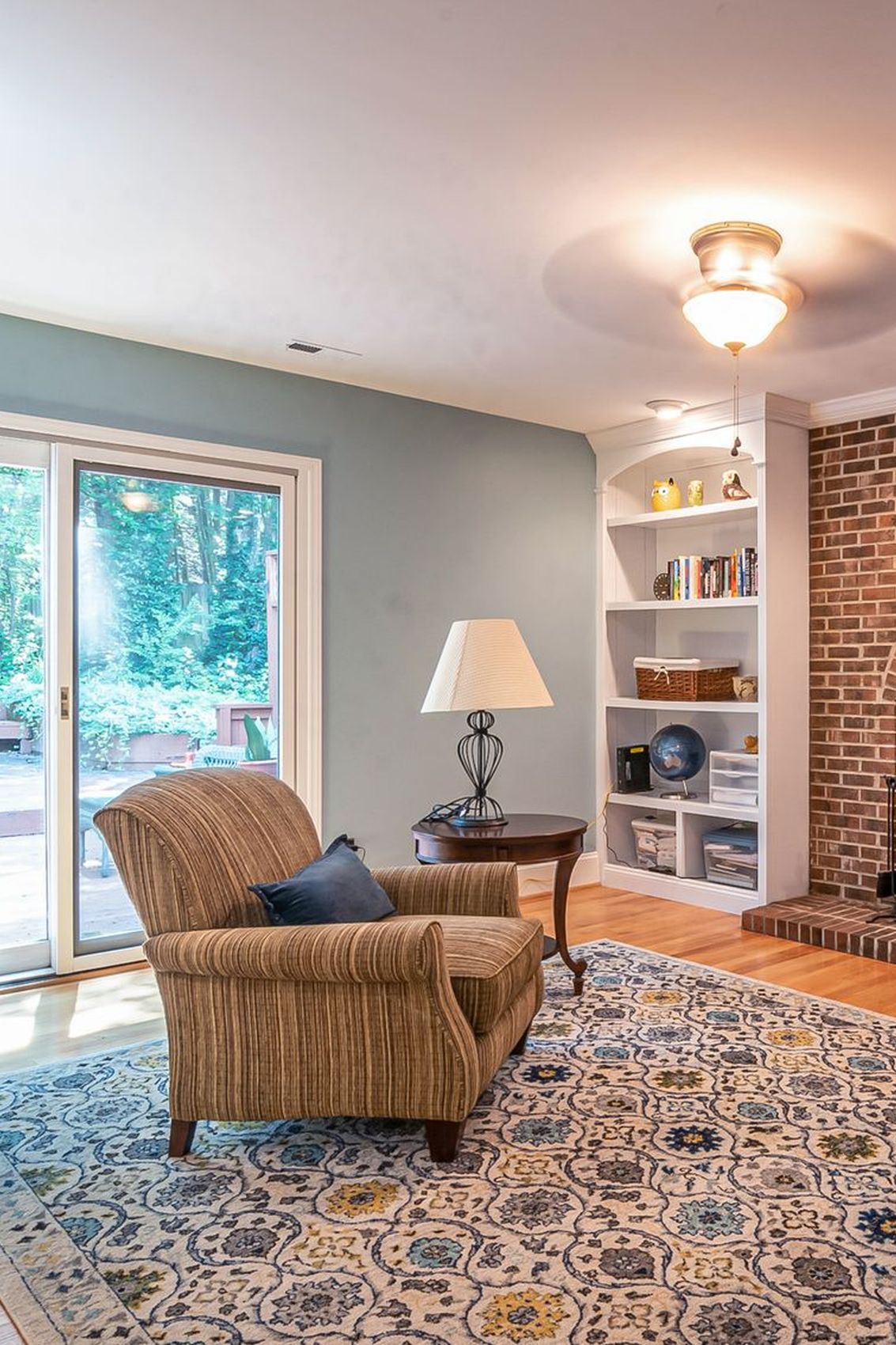
Inline sliding, two to four panels. Better than a bi-fold where floor space is tight, because nothing swings into the room, and the sightlines are cleaner for having fewer stiles.
04Finishes
The frame can match the slab or stay white on the inside, which is what most people choose so the hallway does not go dark. Anything outside these eight is a special order — possible, but say so at survey rather than after.
Anthracite Grey
Steel Blue
Racing Green
Oxblood
Golden Oak
Pebble Grey
Chalk White
Jet Black
On-screen colours are indicative only. Ask for a physical sample before you commit — screens lie, particularly about greys.
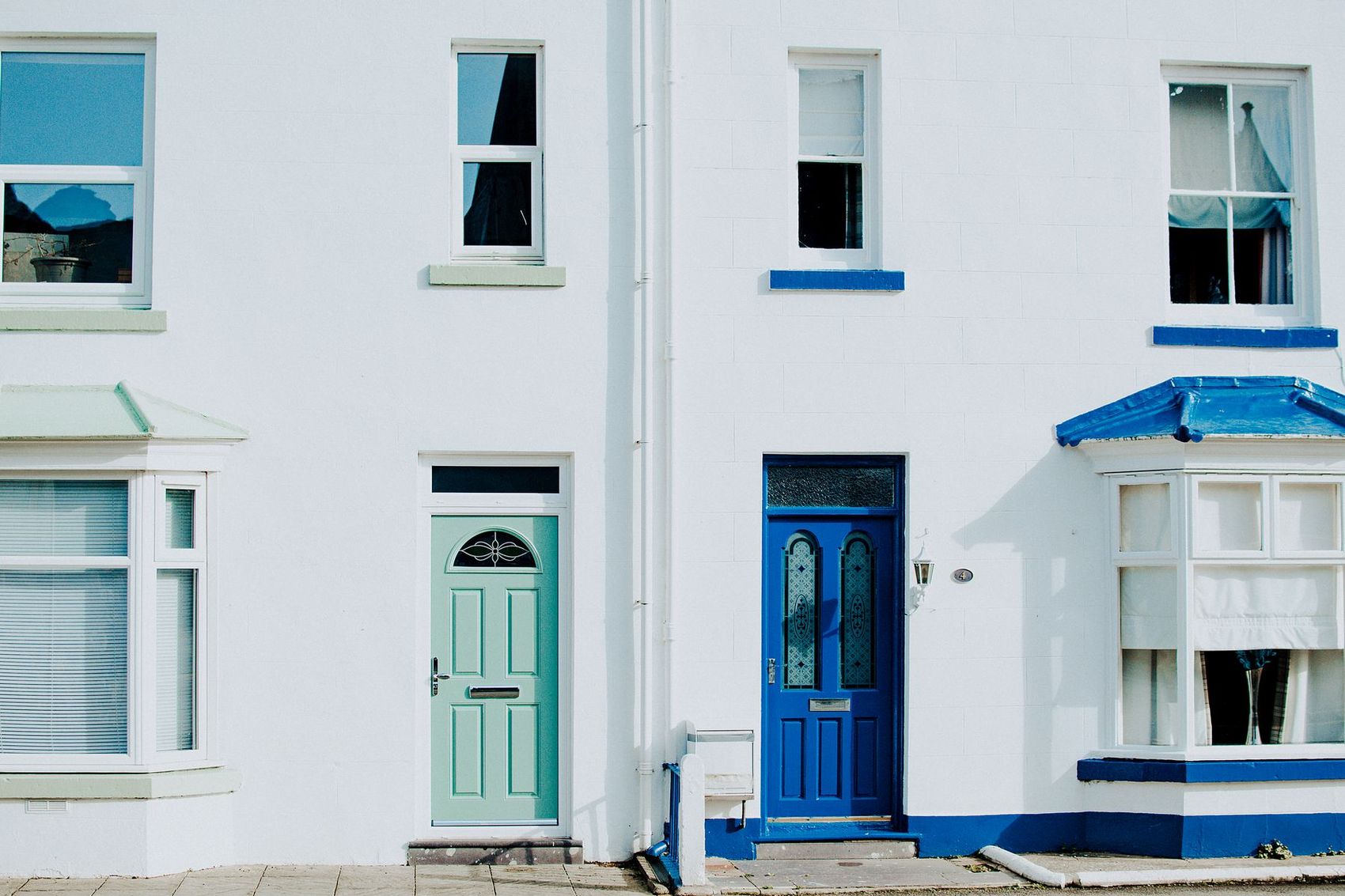
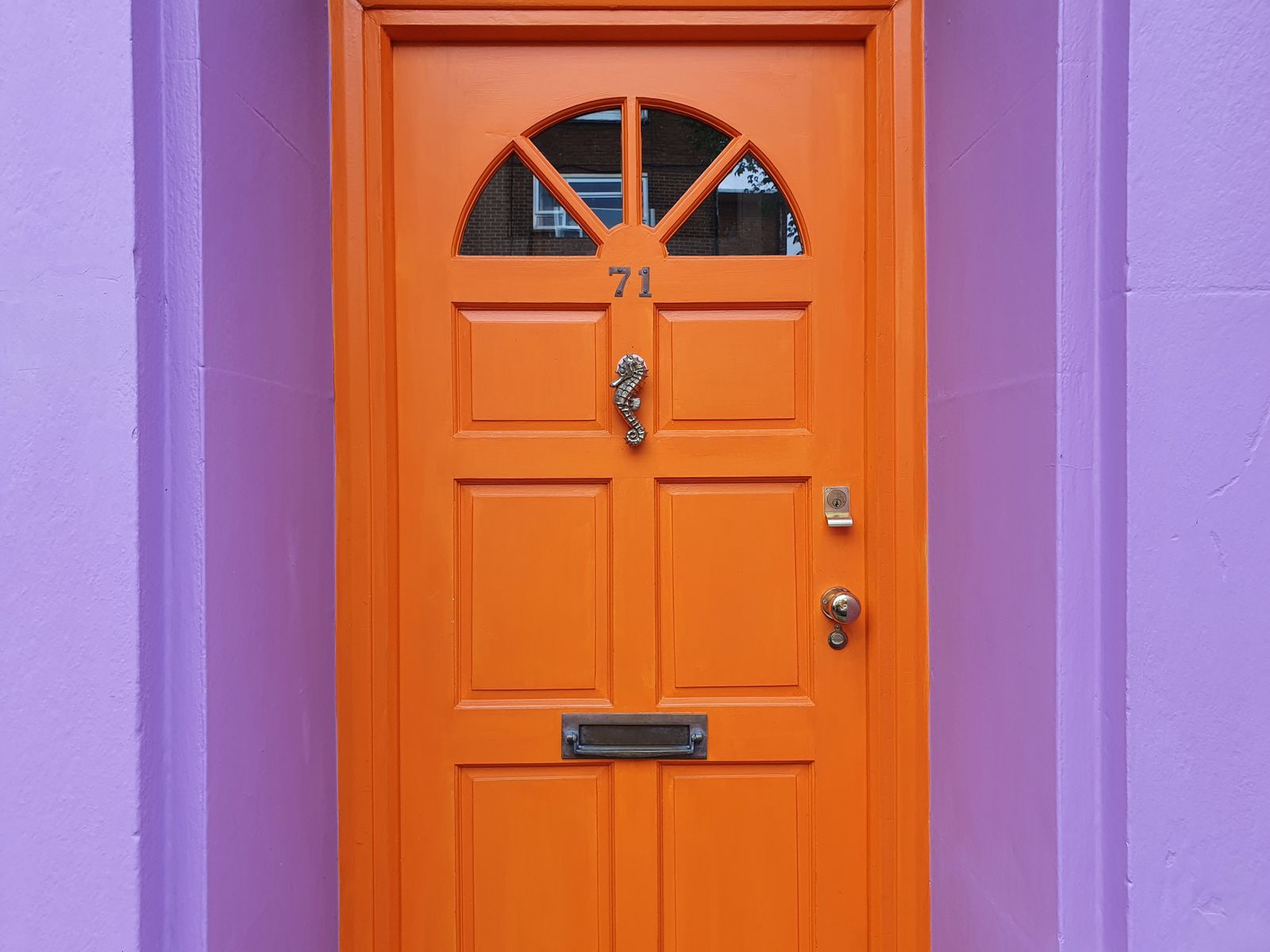
Almost every forced entry through a modern door is a cylinder attack — snapping the barrel with a pair of mole grips, often in under a minute. The slab, the frame and the glass are rarely touched.
So the cylinder is the number that matters, and it is the one most quotes describe only as "high security". Ours says what it is.
| Component | What we fit | What it resists |
|---|---|---|
| Cylinder | TS007 3-star anti-snap | Snapping, bumping, drilling, picking |
| Multipoint lock | Hook, deadbolt and roller | Spreading the frame, jemmying |
| Hinges | Three-way adjustable flag | Hinge-side attack; adjustable for drop |
| Glazing | Toughened, internally beaded | Bead removal from outside |
| Whole door set | PAS 24 option | A tested attack sequence |
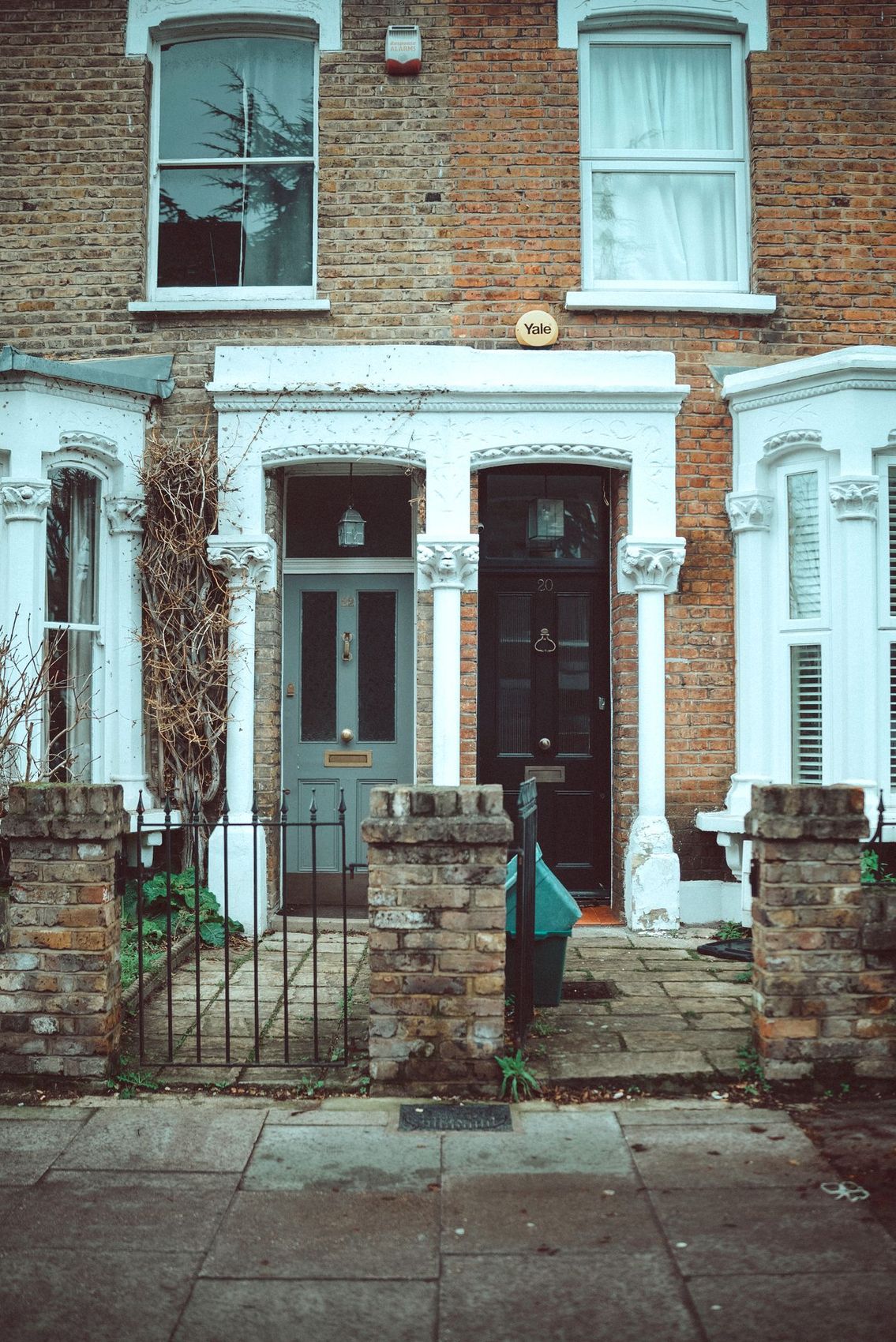
A 3-star cylinder retrofits to most existing doors for a fraction of the cost of a new door set. If your current door is otherwise sound, we will tell you that instead of selling you a replacement.
Not with a new door — it arrives with a new cylinder and its own keys. Where you are having several doors done we can key them alike, so one key runs the front, the back and the garage. Mention it at survey; retrofitting it afterwards means buying new cylinders.
Usually not. Most composite and uPVC doors sit on three-way adjustable hinges, and a drop of a few millimetres is a twenty-minute adjustment. If the slab itself has bowed, or the frame has moved because the lintel has, that is a different conversation — and we will tell you which it is before quoting anything at all.
They work, but be honest with yourself about how often they will stand fully open — for most houses it is a handful of weeks a year. A large sliding set, or a fixed picture pane with one opening door, often gives better sightlines, better thermal performance and costs less. We will price both if you want to compare properly.
A standard threshold stands about 45mm proud. A low-rise Part M threshold drops that to roughly 15mm, and that is what we fit as standard on a principal entrance. Fully flush thresholds are possible on bi-folds and patio sets, but they need drainage designed into the floor build-up — a decision for the groundworks rather than the glazing.
—Next step
We measure the opening, check the frame and the lintel, and put the hardware on the quote by name so you know exactly what is going in.